

Your plant still runs on paper. It doesn't have to.
We digitalise tech transfer, batch records and process verification — so every batch is paperless, inspection-ready and released faster, with one partner from first assessment to day-to-day operations.
- 2 wks
- from maturity audit to a costed roadmap
- 6 wks
- to a live electronic batch record
- Real-time
- process verification and release
- 1
- partner across assess, build and care
What it is
Most plants have the people and the processes — but the records still live on paper and the systems still don't talk to each other.
Batch records are reviewed page by page, deviations slow every release, knowledge gets lost moving from R&D to GMP, and ERP, MES and SCADA each hold a piece of the truth. The result is slower release, more risk, and a constant compliance burden.
Digital Manufacturing closes that gap. We digitalise the work that matters — tech transfer, batch records and process verification — and connect the plant end to end, so you release faster, deviate less, and stay inspection-ready by default.
The cost of a disconnected CDMO
A paper plant doesn't fail loudly — it just runs slower and riskier than it should.
Every manual record, every late deviation and every disconnected system is time, yield and compliance margin you give away.
-
01
Paper batch records
Manual, error-prone records that are slow to complete, slow to review and easy to get wrong.
-
02
Slow QP release
Every batch waits on a full page-by-page review before it can be released.
-
03
Deviations in tech transfer
Knowledge lost moving from R&D to GMP, with scale-up surprises that surface too late.
-
04
Blind between batches
No real-time process verification, so problems are found after the fact instead of as they happen.
-
05
Siloed plant data
ERP, MES and SCADA each hold part of the picture and don't talk to each other.
-
06
Compliance overhead
Annex 11, GAMP-5 and data integrity eat time when records and trails aren't digital by default.
How we help
Digital CDMO Audit → Digital CDMO Setup → Digital CDMO Care
One path, three steps — start wherever you are.
Most clients move Audit → Setup → Care. Already running MES or eBR? Go straight from Audit to Care.
- 01 Entry
Digital CDMO Audit
In two weeks, score your plant's digital maturity across tech transfer, batch records and process verification — and get a costed, sequenced roadmap toward a target connected plant.
- Digital maturity scored across the GMP value chain
- A target plant architecture (ISA-95) and where you stand against it
- The highest-ROI digitalisation moves, ranked
- A costed, sequenced transformation roadmap
- A business case you can take to the board
- 02 Core
Digital CDMO Setup
Build only what you need. We digitalise tech transfer, batch records and process verification — module by module — and connect the plant end to end, compliant by default.
- Structured, templated tech transfer from R&D to GMP
- Electronic batch records / MES — paperless and review-by-exception
- Automated process verification (OPV/CPV) with real-time monitoring
- ERP, MES and SCADA connected across the plant
- Data integrity and audit trails built in from the start
- 03 Expansion
Digital CDMO Care
Keep it running and compliant. Managed batch-record and MES operations, change control and validation upkeep — so your plant stays inspection-ready as it evolves.
- Managed MES / eBR operations and monitoring
- GAMP-5 change control for new products and lines
- Validation and audit-trail upkeep, inspection-ready
- Continuous improvement as your processes change
Build only what you need
Setup is modular — start with the build block that hurts most today and add the rest as you go. Each one ships compliant and audit-ready by default.
Digital tech transfer
Structured, templated handover from R&D to GMP — so knowledge carries over and deviations drop.
Electronic batch records (eBR / MES)
Paperless records with review-by-exception, so batches are completed and released faster.
Process verification (OPV / CPV)
Automated, real-time process verification with trending and alerts — and reports that write themselves.
Plant data & integration
Bridge ERP, MES and SCADA across the plant so every system works from the same source of truth.
Clear scope
What's included
- Tech transfer, eBR/MES and OPV/CPV design and build
- Plant data integration (ERP / MES / SCADA)
- Data integrity and audit-trail setup
- Training, documentation and handover
Handled separately
- Software licenses (purchased directly from the vendor)
- Computer System Validation (handled with a specialist partner)
- Post-go-live support - that's Digital CDMO Care
- Legacy data migration - scoped and quoted separately
What you get
From a paper plant to a connected one — released faster, with less risk.
-
Paperless & inspection-ready
Electronic records, review-by-exception and audit trails by default — so an inspection is never a scramble.
-
Faster batch release
QP review by exception instead of page by page, so product reaches the market sooner.
-
Fewer deviations
Structured tech transfer and real-time verification catch issues early, before they become batches at risk.
-
One connected plant
ERP, MES and SCADA integrated, with a single partner accountable end to end.
Proof
-
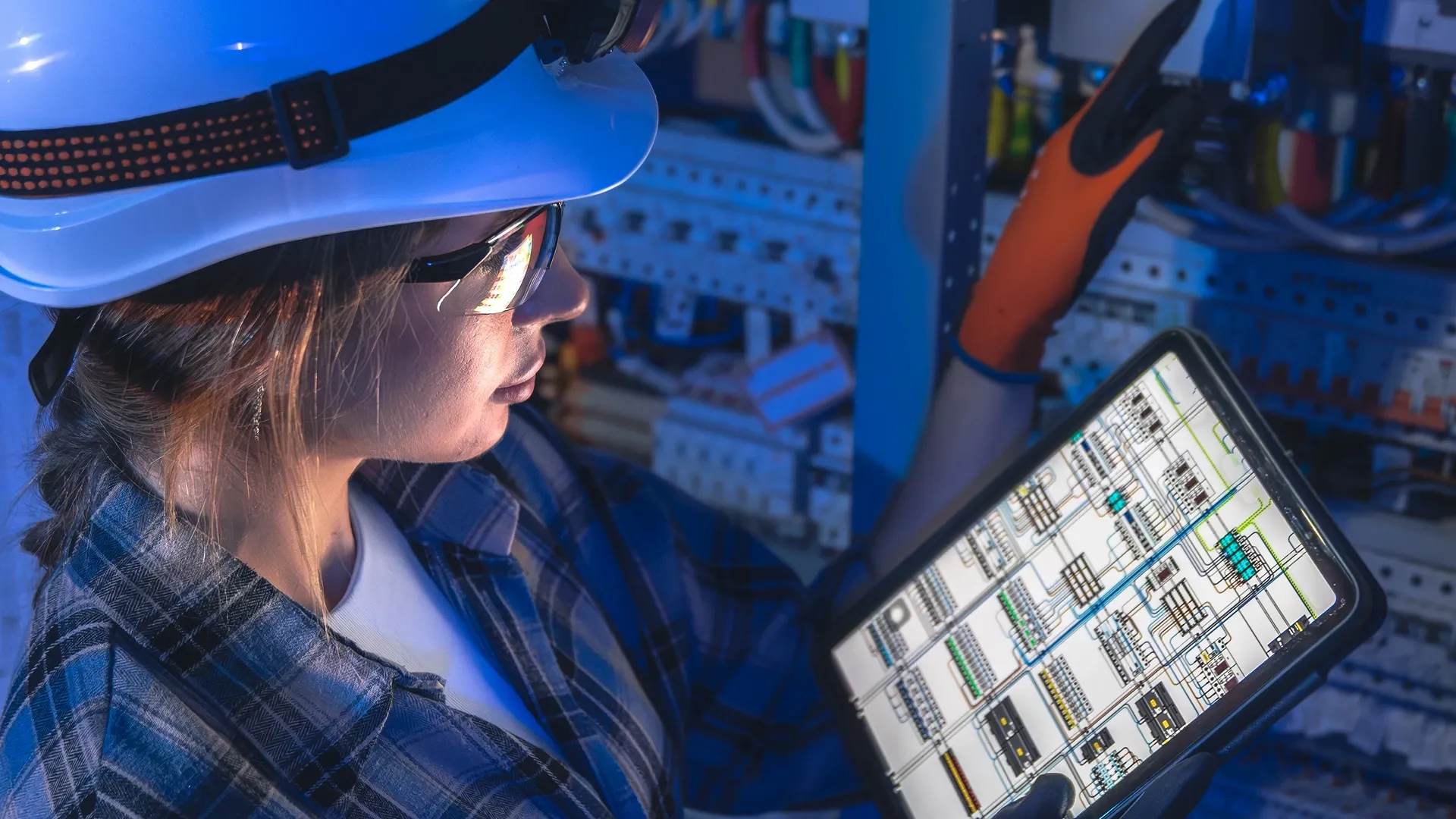
Manufacturing / Construction Chemicals / Industrial Automation
Process Transfer Reporting System
-
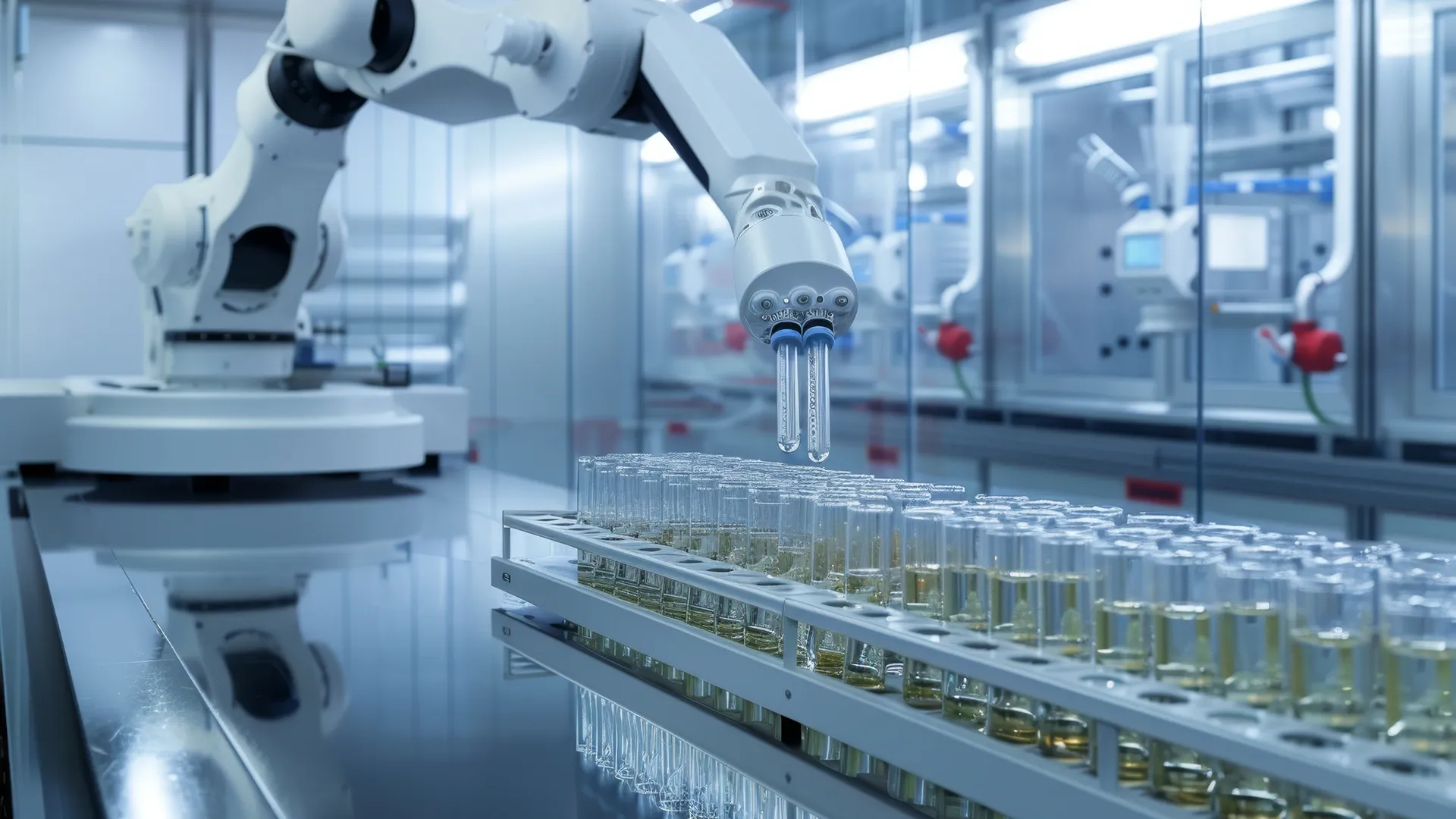
Pharmaceutical / Industry 4.0 / Robotics
Robotic Filling Line with Advanced Servo Control & MES Integration
-
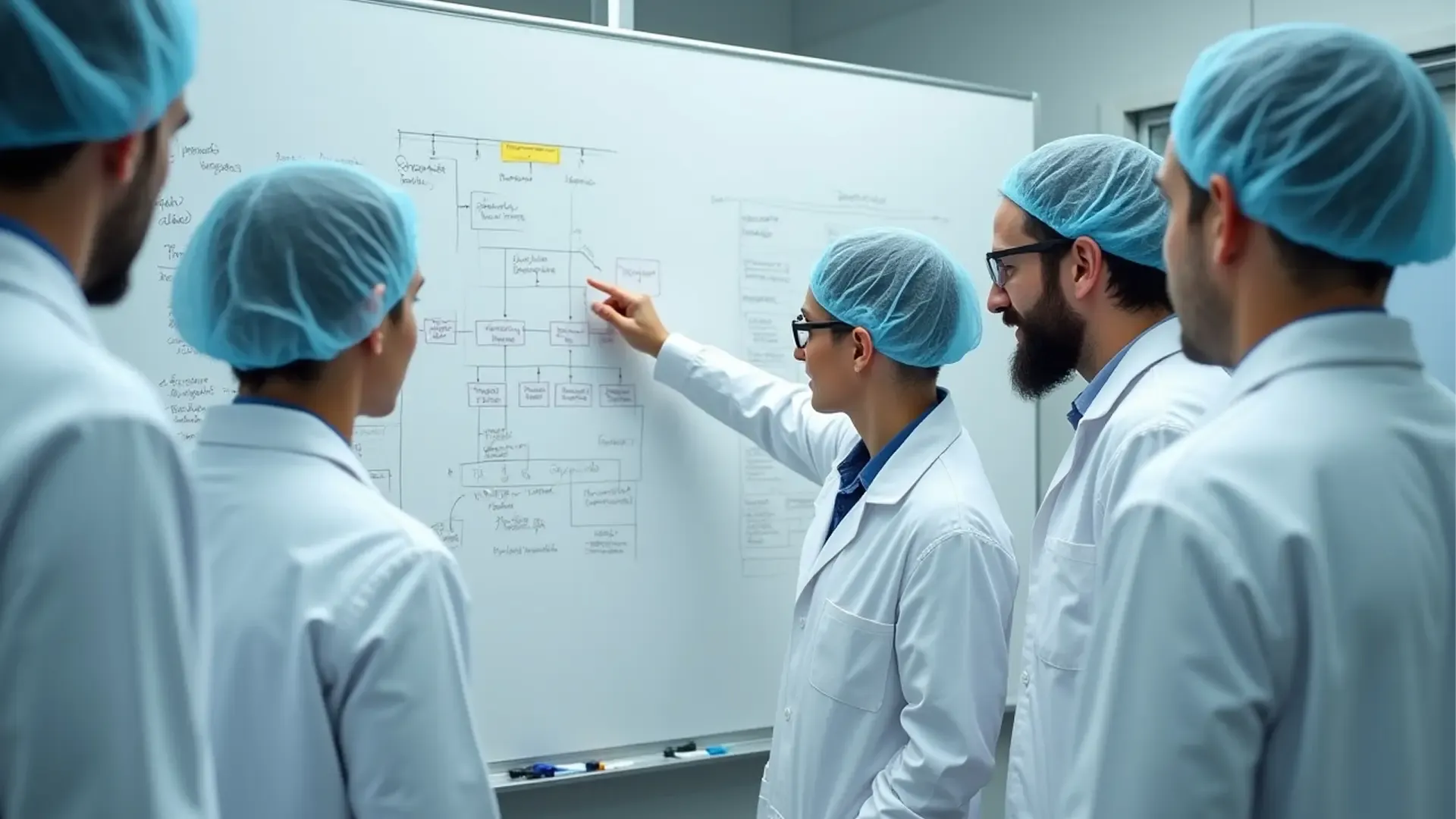
Biotech / Pharma
Scaling Biotech Manufacturing via Universal IT/OT Architecture
Related insights
-
eBR vs MES: How Review by Exception Cuts Batch-Release Time
Electronic batch records vs a manufacturing execution system, and how review by exception speeds batch release in pharma manufacturing.
-
Digitalizing Tech Transfer in Pharma — From R&D to GMP Without Losing Time in Translation
Why pharma tech transfer stalls scale-up, and how a shared digital thread moves process knowledge from R&D to a GMP site or CDMO faster.
-
Retrofitting Legacy Pharma Equipment: Getting Data Off Machines You Can't Replace
Read data off validated pharma equipment with OPC UA, MQTT, edge gateways and IIoT — an IIoT retrofit that connects legacy machines without a rip-and-replace.
Frequently asked
- What's the difference between eBR and MES?
- An electronic batch record (eBR) replaces the paper batch record — the document that proves how a batch was made. A manufacturing execution system (MES) is the broader platform that runs and orchestrates production, with eBR as one of its functions. You can start with eBR and grow into full MES; we help you scope which you actually need rather than over-buying.
- What is review by exception, and how much time does it save?
- Review by exception means the system checks every parameter automatically and surfaces only the deviations, so quality reviews a short exception report instead of a full record — often turning a 150-page manual review into a few pages. That's the single biggest lever for faster, right-first-time batch release.
- How do you digitalize tech transfer from R&D to GMP or a CDMO?
- We turn the process knowledge, parameters and CMC data behind a transfer into a structured, shared digital thread instead of documents emailed between sites — so a receiving GMP or CDMO site can reproduce the process faster and with fewer failed batches. Tech transfer is where most scale-up time is lost, and it's under-served by the big MES vendors.
- Can you connect legacy equipment without replacing it?
- Yes — that's the point of retrofitting. Using OPC UA, MQTT and edge gateways (and Module Type Package / MTP for plug-and-produce modularity), we read data from equipment that predates modern connectivity and bridge IT and OT without disturbing a validated line.
- What is continued process verification (CPV) and how do you digitalize it?
- CPV is the ongoing, Stage-3 regulatory requirement to show a process stays in a state of control over its life. Digitalizing it means pulling batch and process data together automatically for continuous trending and statistical monitoring, so verification is a live signal rather than a periodic manual report.
- How do eBR, MES and CPV stay compliant with GAMP 5 and Annex 11?
- We validate to GAMP 5 with a risk-based CSA approach and design for 21 CFR Part 11, EU GMP Annex 11 and ALCOA+ from the start — audit trails, e-signatures and data integrity are part of the build, so the system is inspection-ready rather than remediated later.